Botox in Los Angeles, CA
Smooth, natural-looking results with a calm, personalized approach

Botox is a well-studied injectable treatment that softens the lines that show up from everyday expressions like frowning, squinting, and raising your brows. In Los Angeles, where schedules move quickly and the sun is not exactly shy, Botox can be a simple way to keep forehead lines, frown lines, and crow’s feet looking smoother without changing the way you naturally move your face.
Our approach is calm, collaborative, and highly personalized. Your provider will look at how your facial muscles move, talk through your goals, and design a treatment plan that aims for subtle, natural-looking results rather than a “frozen” look. Treatments are typically quick enough to fit into a lunch break, with minimal downtime, so you can get back to real life in Los Angeles traffic, meetings, or school pick-ups. If you are new to Botox, we take extra time to answer questions and move at a pace that feels comfortable, and you are always welcome to schedule a consultation just to explore your options.
Botox is a type of neuromodulator, which means it works by temporarily relaxing specific muscles that contribute to expression lines. When you frown, squint, or lift your brows over and over, the skin creases in the same spots and those lines can start to linger. Small, carefully placed Botox injections interrupt that pattern by softening the muscle activity beneath the skin. The goal is not to erase every line, but to help your skin look smoother and more refreshed while your face still looks like you. Many people start to notice a change within a few days, with results continuing to settle over about 1 to 2 weeks.
Botox is different from dermal fillers. Botox relaxes movement-based lines such as frown lines or crow’s feet, while fillers add volume in areas like the cheeks or lips. We often explain it this way: Botox quiets the muscles that are a bit too enthusiastic; fillers support areas that need a little structural boost. Your natural expression and personality remain; you should still be able to smile, laugh, and raise an eyebrow when someone suggests another Zoom meeting. Results from Botox typically last around 3 to 4 months, though this can vary from person to person, and your provider will walk you through what is realistic for you.
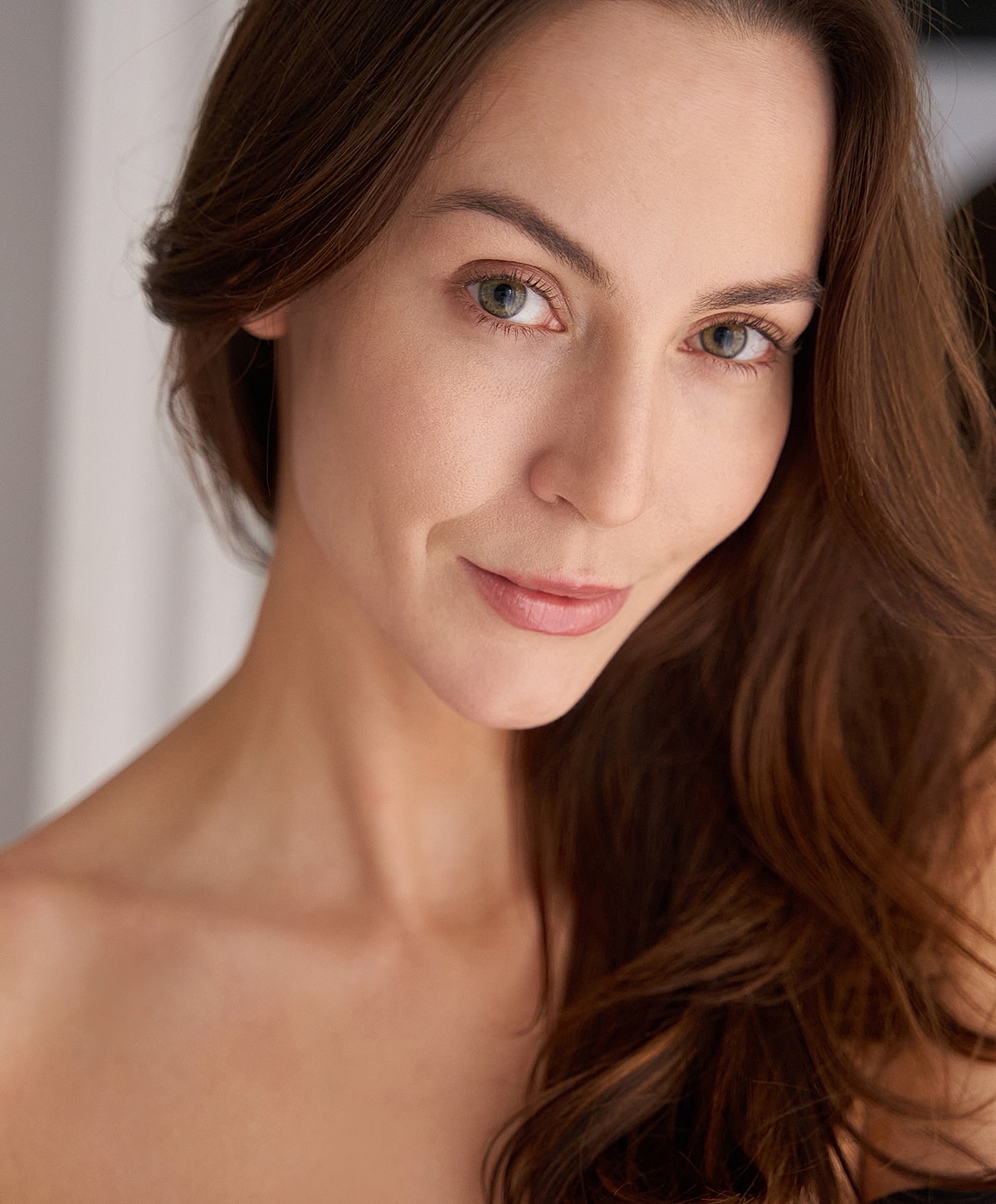

Botox can soften common expression lines on the forehead, between the brows, and around the eyes, helping you look more rested and relaxed even on busy Los Angeles days. By targeting only the muscles that are overworking, Botox treatments can refresh your appearance without obvious signs that you have had “work” done.
Our focus is on keeping you expressive, not overdone. Your provider uses conservative, measured dosing and precise placement to soften lines while preserving your natural movement. The goal is to quiet the “resting frown face,” not to erase every trace of expression.
Most Botox appointments take only a few minutes once your treatment plan is in place. You may notice small red spots or slight swelling at the injection sites right after, but these typically fade within hours, so you can comfortably head back to work, dinner, or the 405.
Every face is different. Your provider evaluates your muscle strength, asymmetries, and goals to determine how many units to use and where. We can start gently, especially for first-time patients, and adjust treatment at follow-up visits based on how your body responds.
By relaxing the muscles that repeatedly crease your skin, regular Botox treatments may help slow the formation of deeper lines. Many patients in their late 20s and 30s choose Botox as a preventative step, while others start later to soften lines that are already visible. Your provider will help you decide what makes sense for your age, skin, and lifestyle.
In the upper face, Botox is most often used for the lines that come from raising your brows or narrowing your eyes. This can include horizontal forehead lines, the vertical “11” lines between the brows, and crow’s feet at the outer corners of the eyes. Some patients also treat bunny lines, which are the small creases that appear along the sides of the nose when you scrunch your face. Living in Los Angeles, it is easy to accumulate a few extra squint lines from bright sunshine, so refining these areas can help your expression look more open and rested.
Lower-face and neck treatments are more targeted and are always approached thoughtfully. Botox can be used for fine vertical lip lines or a subtle lip flip, to soften an overactive chin that looks dimpled or “orange peel,” and to ease jaw tension related to strong masseter muscles. Some patients benefit from gentle Botox along the neck bands or as part of a subtle brow lift strategy. Not every option is appropriate for every person, and the right choice depends on your anatomy, muscle strength, and goals. During your consultation, your provider will explain which areas are good candidates for you and when a combination approach with other treatments may be more appropriate.
Your appointment begins with a conversation. Your provider will ask about your goals, what you notice in the mirror or on camera (hello, Zoom forehead), and any past experience with injectables. They will assess your facial anatomy, watch how your muscles move when you smile or frown, and may take photos to help track your progress over time. Together, you will decide which areas to treat and discuss realistic expectations, so you feel clear and comfortable before anything is done.
Once your plan is in place, the skin is cleansed and, if needed, a topical numbing cream or other comfort measures may be used. Botox is injected with a very fine needle into specific muscles, usually described as a quick pinch or tiny sting that is over almost as soon as you notice it. The actual injection portion is brief, often just a few minutes. Dosing is measured and conservative, with the option to fine-tune at a follow-up visit if appropriate. After a short observation period, you will receive simple aftercare instructions and can head back to your day, usually without anyone suspecting more than a quick errand.

Many adults who want to soften dynamic wrinkles or prevent them from deepening are good candidates for Botox. This includes people who notice frown lines between the brows, forehead lines that linger after raising their brows, or crow’s feet that show up in every photo. Some patients in Los Angeles choose Botox as a subtle “refresh” before events or photos, while others incorporate it into a longer-term skincare plan. Our focus is always on natural-looking, age-appropriate results that feel aligned with your personality and comfort level.
Safety is always the priority. During your consultation, your provider will review your medical history, current medications, and any previous experience with neuromodulators. Botox is not appropriate during pregnancy or breastfeeding, and extra care is taken with certain neuromuscular conditions, bleeding disorders, or a history of specific reactions. We will discuss potential side effects, rare but possible complications, and how to contact the office with questions. The goal is for you to feel fully informed so that moving forward with Botox feels like a thoughtful decision, not a quick impulse.
Botox is known for being relatively simple to fit into a busy schedule. Right after treatment, you may notice mild redness, swelling, or tiny bumps at the injection sites, which usually fade within a few hours. Most people feel comfortable returning to work, errands, or low-key social plans the same day. Your provider will give you specific aftercare guidelines, such as avoiding strenuous exercise, saunas, or facial massage for a short period.

Immediately after injections, the treated areas may look slightly pink or puffy, and you might see tiny raised spots where the needle entered the skin. These typically settle within minutes to a few hours. You can usually apply light makeup after a short period if you wish, following your provider’s instructions.
Botox does its work quietly. Many patients begin to notice a difference in 3 to 5 days, with lines looking progressively softer. The full effect generally appears around 7 to 14 days, so if you are planning for a special event, it can be helpful to schedule your appointment a couple of weeks in advance.
For most people, Botox effects last around 3 to 4 months, depending on the area treated, the number of units used, and how active your facial muscles are. Some individuals metabolize Botox a bit faster or slower. Your provider will observe how you respond and can adjust your dosing or timing over future visits.
Many patients schedule Botox appointments 3 or 4 times per year to maintain consistent results. Others prefer to wait until movement fully returns before coming back. There is no single “right” schedule; we will help you create a plan that fits your lifestyle, budget, and comfort level, so Botox feels like a manageable part of your routine rather than another item on an endless to-do list.
Botox pricing typically depends on several factors: the number of units needed, how many areas are treated, and the training and experience of the injector. Someone with strong frown lines, for example, may require a different dose than someone using Botox mainly for very early, preventative treatment. Because of this, it is most accurate to discuss cost after your provider has evaluated your facial anatomy and movement in person.
During your consultation, we will review your goals, recommend a treatment plan, and provide a clear estimate before anything is done. We respect different budget levels and can prioritize the areas that matter most to you, rather than pushing for more units than you are comfortable with. Some patients also like to plan ahead with ongoing maintenance in mind, and we are happy to talk through what that might look like so there are no financial surprises.

Where you go for Botox matters. Working with an experienced medical aesthetics team means your treatment is guided by a deep understanding of facial anatomy, balance, and how small adjustments can create meaningful yet understated changes. Our practice focuses on thoughtful consultations, honest guidance, and a calm, welcoming environment, so you can ask questions openly and feel supported at every step.
Whether you are new to injectables or refining a routine you already have, we take the time to understand what feeling confident looks like for you. There is no pressure to choose a certain treatment or number of units, and follow-up is always encouraged if you have questions or want to fine-tune your results. If you would like to learn more about Botox in Los Angeles or explore whether it is a good fit for you, you are welcome to reach out and schedule a consultation when the timing feels right.
Most people find that Botox results last about 3 to 4 months. Over time, some patients notice that results may last a bit longer as the treated muscles adapt to moving less aggressively. The exact timing depends on factors like your metabolism, the areas treated, the number of units used, and how expressive your face naturally is. Your provider will help you observe how long your results last so you can plan future appointments at a rhythm that works for you.
Botox does not work instantly. Many patients begin to notice softening of lines within about 3 to 5 days. The full effect is usually visible between 7 and 14 days. This gradual onset helps the change look subtle and natural, rather than like you walked into your Los Angeles office one morning with a completely different forehead. If needed, your provider may recommend a follow-up visit to assess your results once everything has settled.
Most people describe Botox injections as a series of quick pinches or small stings that are over very quickly. A very fine needle is used, and the actual injection process usually takes just a few minutes. If you are nervous about discomfort, we can discuss options like topical numbing or ice to make the experience more comfortable. It is completely normal to feel a bit anxious before your first treatment, and your provider will walk you through each step so nothing feels like a surprise.
There is usually little to no downtime with Botox. You might notice mild redness, swelling, or small bumps at the injection sites right after treatment, but these typically fade within a few hours. Most patients return to work, errands, or social plans the same day. Your provider will give you specific aftercare instructions, such as avoiding strenuous exercise, saunas, or lying flat for a short period after treatment to help the product stay where it is intended.
Botox Cosmetic has been extensively studied and has been used for many years in both aesthetic and medical settings. When administered by trained medical professionals using appropriate dosing, it is generally considered safe for suitable candidates. Like any medical treatment, there are potential side effects and rare risks, which may include bruising, temporary drooping in a nearby muscle group, or headache. During your consultation, your provider will review your medical history, discuss potential risks, and answer your questions so you can make an informed decision.
There is no single “right” age to start Botox. Some people in their late 20s or 30s consider small, preventative treatments when they notice lines that linger after expressions. Others prefer to wait until lines are more established. The best time to start depends on your skin, your genetics, your comfort level, and how you feel about the lines you see. During a consultation, your provider can help you decide whether Botox makes sense for you now or whether a different approach might be more appropriate.
Many patients schedule Botox every 3 to 4 months to maintain consistent results. Some find they can extend the time between visits once they have been treated regularly for a while, while others prefer a steady schedule. There is flexibility based on your goals, budget, and how your body responds. Your provider will work with you to create a maintenance plan that feels realistic and sustainable, not overwhelming.
Botox and dermal fillers address different concerns. Botox relaxes the muscles that cause dynamic wrinkles, such as frown lines and crow’s feet. Fillers, on the other hand, are gel-like products used to add or restore volume in areas like the cheeks, lips, or smile lines. Many patients benefit from a combination approach, using Botox for expression lines and fillers for volume-related changes. Your provider will explain which option, or combination, is best suited to your features and goals.