
Laser Skin Resurfacing
Personalized care for natural-looking results
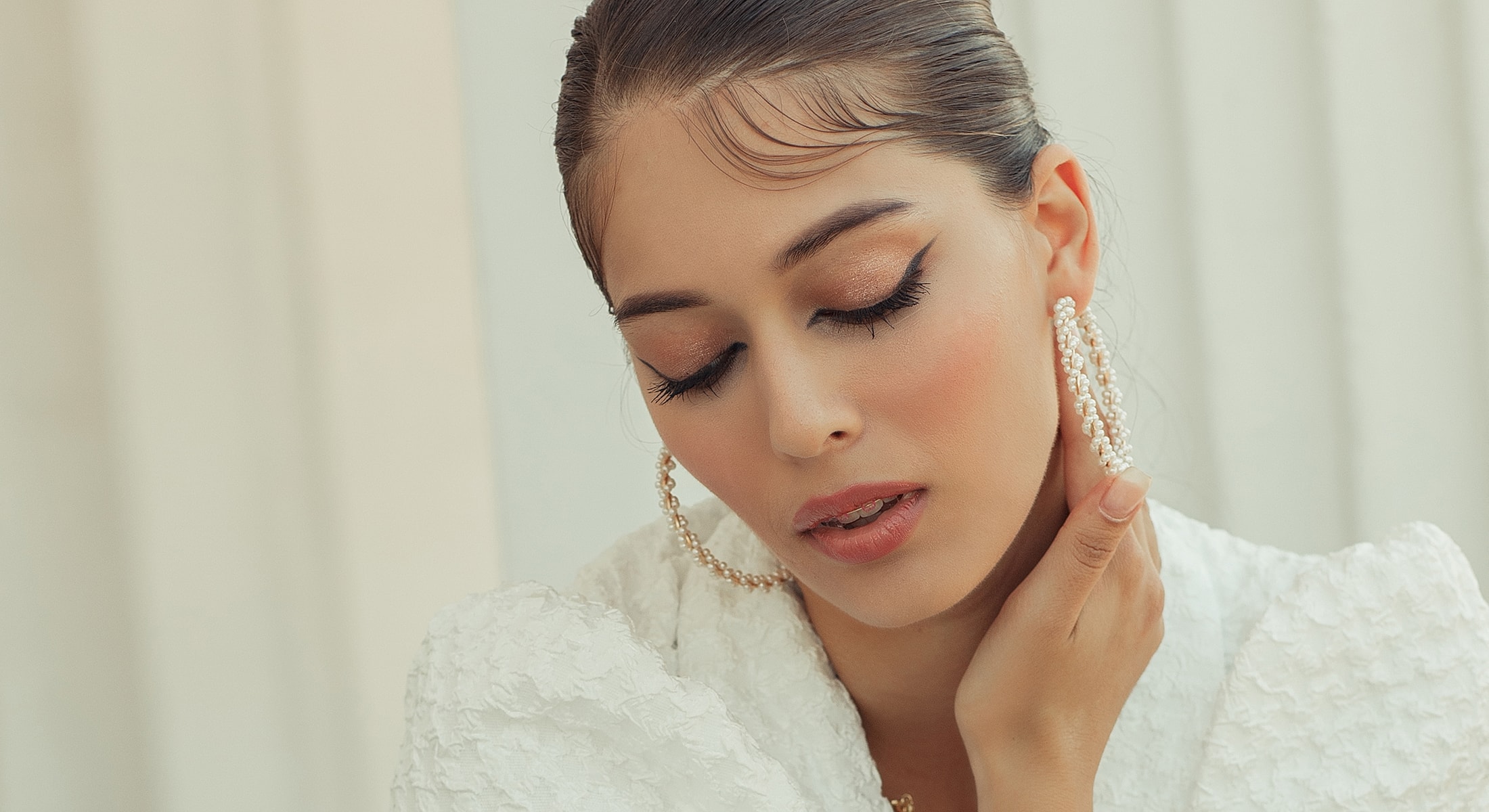
When you live in Los Angeles, sun, stress, and city life can show up on your skin long before you feel “old.” Laser skin resurfacing is a medical aesthetic treatment that uses focused light energy to gently refresh the skin’s surface and support new collagen, helping soften fine lines, refine texture, and improve the look of sun damage and discoloration.
Treatments are tailored to you, with options that range from lighter, low-downtime refreshers to deeper resurfacing that addresses more significant wrinkles, scars, or pigment. Common concerns include fine lines around the eyes and mouth, rough or uneven texture, acne scars, enlarged pores, and sun spots that tend to come with an outdoor, Southern California lifestyle. Every treatment is performed by experienced medical providers who prioritize safety, natural-looking results, and your long-term skin health. As you explore this page, you will find clear information about benefits, candidacy, what to expect, and recovery so you can decide, at your own pace, whether laser resurfacing feels right for you.
Laser skin resurfacing works by creating controlled, precise micro-injuries in the outer and sometimes deeper layers of the skin. Ablative lasers gently remove a very thin layer of the skin’s surface, which helps smooth lines, soften scars, and blend pigment as fresh skin appears. Non-ablative and fractional lasers focus their energy deeper in the skin without fully removing the top layer, stimulating collagen production from within while leaving surrounding tissue intact for a quicker recovery.
In practical terms, that means we can choose from different treatment approaches based on what your skin needs and how much downtime your calendar will tolerate. Our team evaluates your skin tone, texture, sensitivity, and goals, then recommends a conservative, thoughtful plan rather than a one-size-fits-all setting. We are especially careful with darker or more reactive skin types and always prioritize long-term skin health over short-term intensity. You do not need a time machine to look more refreshed; you just need the right amount of well-placed light energy, guided by someone who knows exactly how to use it.

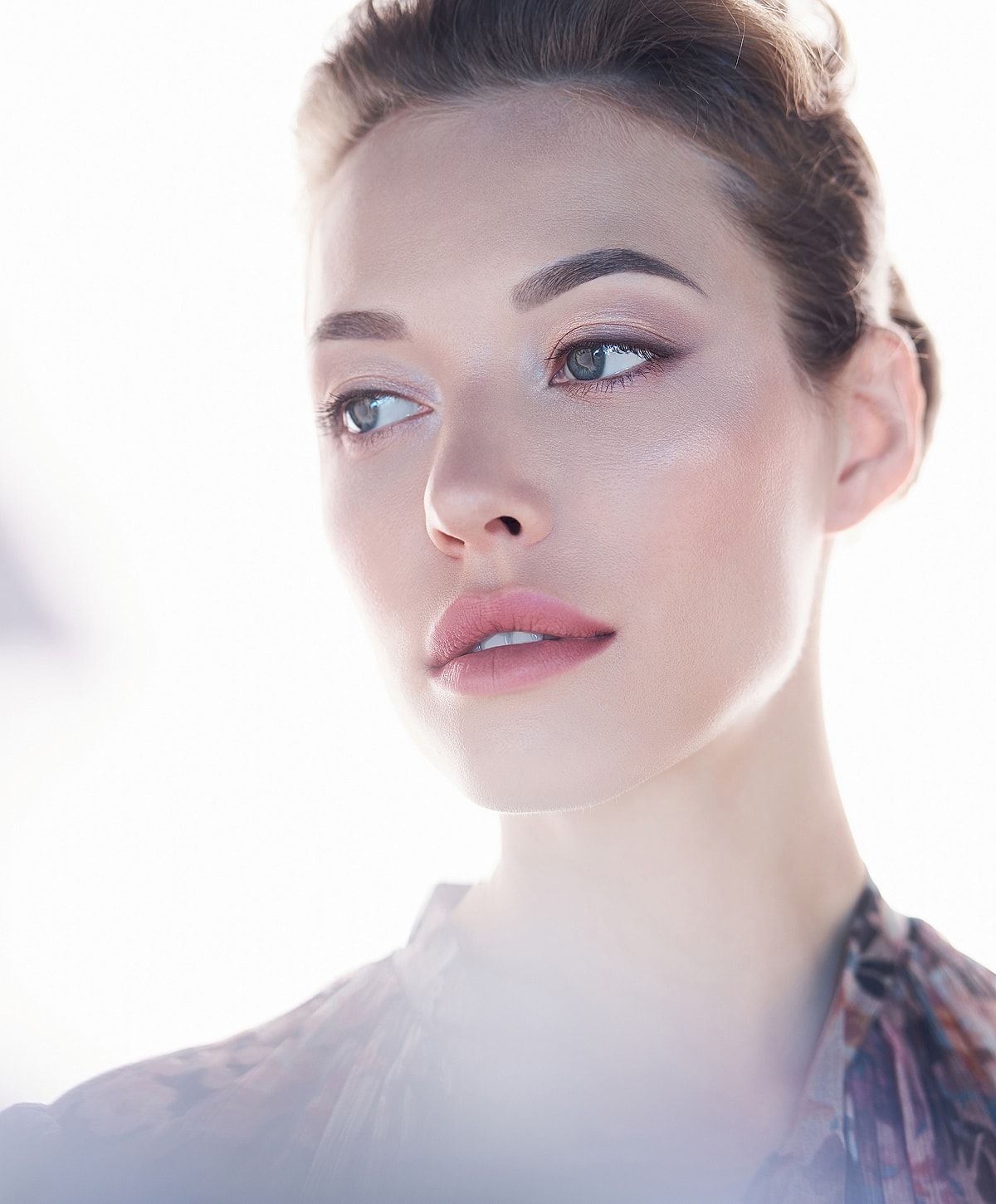
Every complexion is different, and so are the results from laser skin resurfacing. Your outcome depends on your skin type, the depth of treatment, and how closely aftercare instructions are followed. That said, many patients notice their skin feels softer, looks more even, and reflects light more smoothly as it heals.
By carefully resurfacing the outer skin and stimulating new collagen, laser treatments can reduce the appearance of fine lines and mild to moderate wrinkles, especially around the eyes, mouth, and forehead. The goal is smoother, more supple skin that still moves naturally when you smile, laugh, and live your life.
Laser resurfacing can help improve the look of acne scars, pitted areas, and general roughness by encouraging fresh, healthier skin to replace damaged tissue over time. While deep scars may not vanish completely, many patients notice that makeup goes on more evenly and bare skin looks more refined.
Years of Los Angeles sun can leave behind freckles, brown spots, and uneven pigmentation. Laser energy targets this discoloration and encourages a more uniform tone, helping the skin look clearer and more luminous. You still get to enjoy the sunshine; we will just talk seriously about SPF.
As collagen is renewed and damaged surface cells are shed, pores often appear smaller and the overall tone of the skin looks more balanced. Many people describe their post-recovery skin as smoother, softer, and a little more “camera-ready” even on low-effort days.
Because laser resurfacing helps stimulate collagen and elastin, improvements often continue to develop over several weeks to months. With a thoughtful plan for maintenance treatments and daily skincare, the skin can gradually look firmer, more buoyant, and more resilient to future stressors.
Good candidates for laser skin resurfacing are typically in generally good health, with realistic expectations and specific concerns they would like to improve. Many people seek treatment for fine lines, acne scarring, sun damage, rough texture, enlarged pores, or patches of uneven tone. Fair to medium skin tones often have the widest range of laser options, but there are conservative approaches that can be considered for some deeper skin tones as well.
It is also important to be willing to follow pre- and post-treatment instructions, protect your skin from the sun, and allow adequate time for healing, especially with more intensive treatments. If you prefer a more gradual change, lighter resurfacing or a series of gentler sessions may suit you better. During your consultation, we will talk about your goals, medical history, current skincare, and lifestyle so you can decide on an approach that feels both effective and manageable.
This approach focuses on a gentle resurfacing of the upper layers of the skin with fractional energy, leaving tiny bridges of intact tissue between treated spots. Sessions are typically on the shorter side, and most people describe the sensation as warm or prickly. Redness is usually mild to moderate for a day or two, with light flaking that can often be covered with makeup once the skin is intact again. It is a good option if you want a visible boost without blocking off your calendar for a week of hiding from selfies.

Moderate resurfacing treatments use slightly higher energy or density settings to address more noticeable texture irregularities, fine lines, and sun damage. You can expect more pronounced redness, swelling, and peeling for several days, with most people planning about 5-7 days of social downtime. Comfort measures such as topical numbing and cooling are used, and we will talk through how to arrange your schedule so you can heal comfortably without worrying about big events.

Deeper resurfacing is reserved for more advanced wrinkles, etched-in lines, and pronounced scarring or sun damage. These treatments can deliver more dramatic improvement but also involve more intense aftercare and a longer recovery, often 1-2 weeks of noticeable redness and peeling, with pinkness that may persist beyond that. Additional comfort options may be recommended, and you will receive very specific guidance on skincare and activity. This is the “plan around important selfies” category, and we will help you time it thoughtfully.
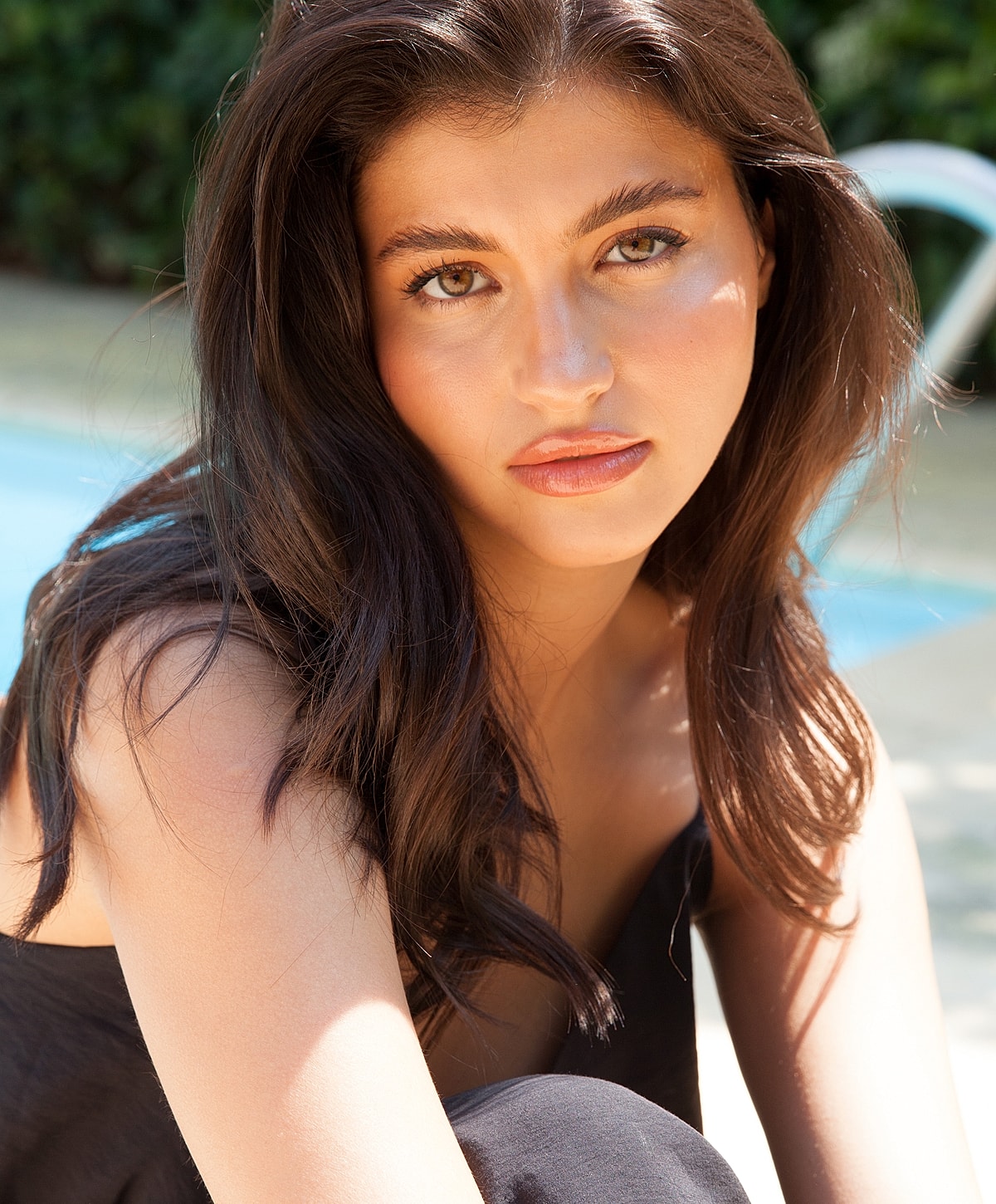
If your schedule or skin type does not love the idea of a big, single treatment, we can plan a series of gentler resurfacing sessions. Each visit is relatively quick, with mild redness and flaking that typically resolves in a few days. Results build gradually, making this a nice fit if you prefer to ease into things or if you are preparing for an event over several months rather than all at once.
On the day of your treatment, you will start with a thorough review of your skin, medical history, and goals. We may take photos to help track your progress over time. Your provider will walk you through the plan for the day, confirm the areas to be treated, and answer any last-minute questions. Topical numbing cream is usually applied and allowed to work, and additional comfort options may be offered depending on the depth of resurfacing.
During the procedure, your eyes will be protected, and your provider will move the laser handpiece methodically across the treatment area. You may feel warmth, tingling, or a quick snapping sensation, but most people find it quite manageable with the numbing and cooling measures we use. Sessions typically last anywhere from 30 minutes to about an hour, depending on the size of the area and the intensity of the treatment. Afterward, a soothing product is applied, and you will receive detailed, written aftercare instructions. Your job is mostly to relax, follow the healing guidelines, and let your skin do its remodeling work while we stay available for any questions.
Recovery after laser skin resurfacing varies based on the depth of your treatment. Lighter or fractional sessions typically come with a few days of redness and mild flaking, similar to a sunburn that is starting to peel. Deeper treatments can involve more intense redness, swelling, and peeling for 7-14 days, with lingering pinkness afterwards as the skin continues to heal. We will give you a realistic idea of what to expect for your specific plan so you can prepare work, workouts, and social events accordingly.
In all cases, you will be asked to keep the skin clean, well-hydrated, and carefully protected from the sun, which is especially important in the Los Angeles climate. That usually means gentle cleansers, bland moisturizers or healing ointments, avoiding active ingredients or exfoliants until cleared, and holding off on makeup until the skin barrier is intact again. We will outline simple do-and-don’t guidelines and provide a custom aftercare routine. As new skin appears over days to weeks, tone and texture generally continue to improve. Patience is part of the process, and our team is here to support you through each stage of healing.
Laser skin resurfacing is a medical procedure, and we treat it that way. Before recommending treatment, we perform a comprehensive consultation to assess your skin type, medical history, and previous procedures. We select laser settings that are appropriate for your tone and concerns, use sterile technique, and provide protective eyewear throughout your session. You will receive thorough instructions before and after your visit so you know exactly how to prepare and how to care for your skin as it heals.
Like any procedure, laser resurfacing has potential side effects, including temporary redness, swelling, peeling, itching, and changes in pigmentation. There is also a small risk of scarring or infection, which we work hard to minimize through careful screening, precise technique, and close follow-up. These possibilities are always discussed openly before treatment, and you will know what is expected and what would be considered outside the norm. If anything feels off during recovery, we want to hear from you; our role does not end when you leave the treatment room.

Laser skin resurfacing is not a one-button treatment; it is a customized plan built around your skin, your schedule, and your comfort level. Whether you are hoping for a subtle refresh or are ready to address more established texture and sun damage, our team will help you sort through the options and timing that make the most sense for you. We will also look at your everyday skincare and sun habits so your results fit seamlessly into your Los Angeles lifestyle.
Our goal is natural-looking, healthy skin that feels like you on your best days, not a version of you that looks over-treated. If you are curious, have a list of questions, or are not sure where to start, that is exactly what a consultation is for. When it feels like the right time, you can reach out to schedule a visit and explore whether laser resurfacing belongs in your personal skin plan, with no pressure and plenty of room for honest conversation.
Comfort depends on the depth and type of treatment, but most patients tolerate laser resurfacing well with the help of numbing and cooling. For lighter, fractional treatments, a topical numbing cream and built-in cooling are often enough, and people describe the sensation as warm, prickly, or like a quick rubber-band snap. For deeper resurfacing, we may recommend additional comfort measures to keep you as relaxed as possible. You should never feel like you have to “tough it out” in silence; we check in frequently and can adjust settings or take short breaks if you need them.
Pricing for laser skin resurfacing varies based on the size of the area treated, the type of laser, the depth of treatment, and how many sessions are recommended. A gentle, targeted refresh for a smaller area will typically be at a different price point than a more intensive, full-face resurfacing plan. During your consultation, we will outline a personalized treatment approach, discuss the number of sessions we anticipate, and review transparent pricing before anything is scheduled so you can make a comfortable, informed decision.
In the weeks leading up to treatment, we usually recommend that patients avoid tanning, self-tanners, and unprotected sun exposure, and pause certain active skincare ingredients such as retinoids, exfoliating acids, or harsh scrubs as directed. You may be asked to adjust specific medications or supplements that can increase bleeding or bruising, always in coordination with your prescribing provider. If you are prone to cold sores, preventive medication may be recommended. We will give you a clear, written prep plan, so you will not be left guessing.
For lighter resurfacing treatments, many patients feel comfortable returning to desk work within a day or two, often once initial redness starts to settle. Makeup can sometimes be resumed after the skin surface has fully re-formed, which may be just a few days for gentler treatments. With deeper resurfacing, you may want to allow 7-10 days before major social events or on-camera commitments, and makeup is typically delayed until we confirm that the skin barrier is ready. We will review realistic timelines specific to your plan so you can schedule confidently.
All three treatments aim to improve skin tone and texture, but they do it in different ways. Chemical peels use carefully selected acids to dissolve the outer layers of skin, which can be great for more superficial pigment and texture. Microneedling creates tiny channels in the skin with fine needles to stimulate collagen, often with minimal downtime. Laser resurfacing uses focused light energy to target both the surface and deeper layers, with a high degree of precision. It can be especially helpful for more pronounced wrinkles, scars, and sun damage. During your consultation, we can talk through which option, or combination, best fits your skin, goals, and schedule.
Once your skin has fully healed, improvements in tone, texture, and fine lines can last for many months or longer, especially if you are diligent with sunscreen and a supportive skincare routine. Of course, your skin will continue to age, and sun exposure and lifestyle factors still play a role. Some patients choose periodic maintenance treatments or complementary procedures to help sustain their results over time. We will discuss what a realistic long-term plan might look like for you, including how to make the most of your results at home.
Laser resurfacing can be more complex for deeper skin tones because of the higher risk of pigmentation changes if the wrong device or settings are used. That does not mean it is never an option, but it does mean we proceed thoughtfully. In some cases, we may recommend gentler, non-ablative or fractional approaches, adjust energy levels and treatment density, or suggest alternative treatments altogether if we feel the risk outweighs the benefit. A careful in-person assessment is essential; we will always be honest about what we feel is safest for your skin.